
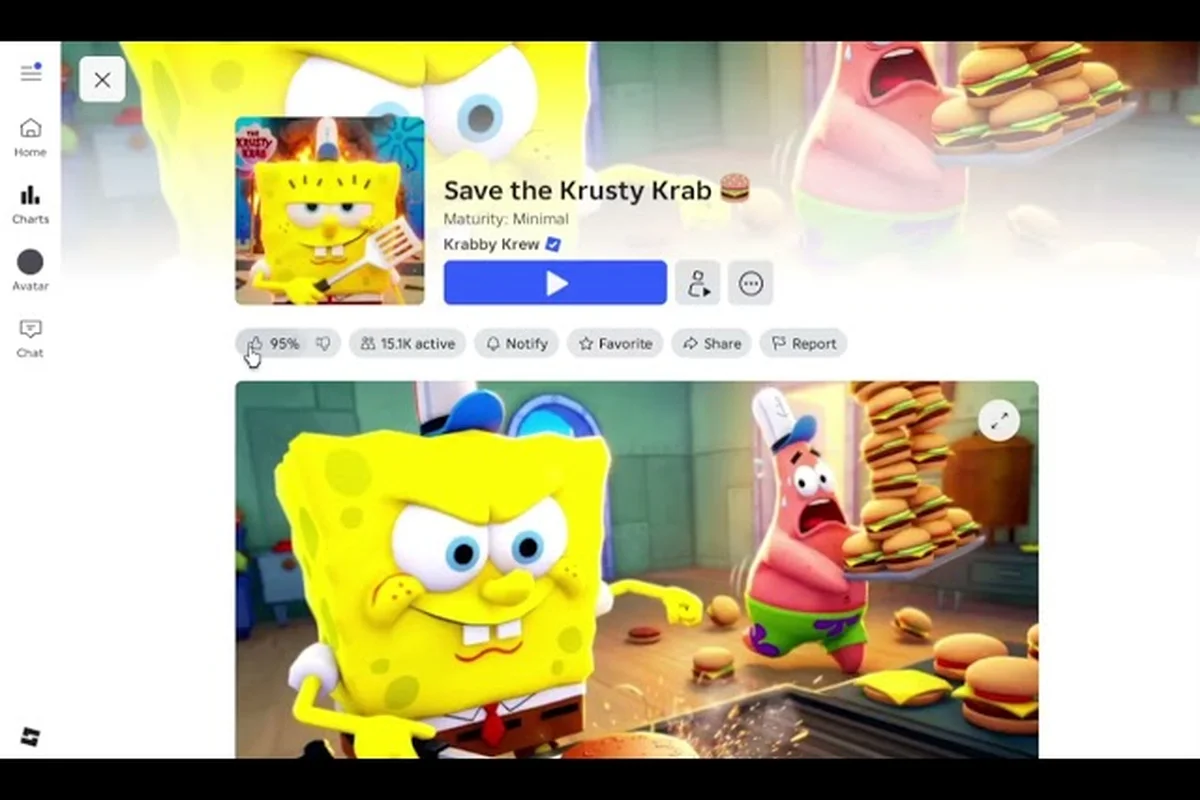
Save the Krusty Krab extra tray slots can smooth a crowded kitchen, but the best upgrade depends on whether cooking, assembly, or drink service causes the biggest delay. Compare each option, then build an upgrade path that keeps every station busy.
Extra Tray Slots and Kitchen Bottlenecks
The Save the Krusty Krab extra tray slots upgrade adds room for assembled orders, but additional capacity only helps when your crew can use it efficiently. A larger staging area may reduce searching and waiting, while a faster fryer or soda machine may remove a more consistent delay from the production line.
This matters because a kitchen can lose time in several places at once. Cooked patties may wait for a free tray, drinks may sit because the dispenser is slow, and coral bits may consume attention even when they are not the main customer request. The useful question is not which upgrade has the largest number, but which one resolves the bottleneck you repeatedly encounter.
| Upgrade target | Primary benefit | Best when... | Main limitation |
|---|---|---|---|
| Extra tray slots | More assembled-order staging | Trays frequently fill | Assembly and cooking still require attention |
| Order prep slots | More parallel preparation space | Several dishes need setup | Does not accelerate every station |
| Second fryer slot | More frying capacity | Patty orders bunch together | Ingredients and tray space remain necessary |
| Soda speed upgrade | Faster drink fulfillment | Drink orders create delays | Does nothing for food preparation |
| Coral bits upgrade | Faster secondary-item preparation | Coral bits appear frequently | Its value depends on the current menu mix |
Player reports emphasize buying the cheapest improvement that removes the most walking per order. Payout is earned per shift and depends on star rating plus crew bonuses, so an early upgrade should protect a full rush rather than merely look impressive in the shop.
Identify the delay before buying
Watch one complete order from ticket to handoff and mark where your attention moves most often. If you repeatedly search for a usable tray, prioritize capacity. If a patty waits beside the fryer while a second batch could cook, consider a second fryer slot. If customers wait on fizzy drinks, upgrade the soda machine instead.
Kitchen delay signatures are more useful than raw upgrade cost because the best order can change between shifts. A crowded lunch rush may reward tray space, whereas a dinner wave heavy on drinks may make a soda speed upgrade more valuable.
Check the whole production chain
Extra storage cannot compensate for an upstream station that stops. A tray has little value if cooked patties are waiting for ingredients, drinks are waiting for soda, or coral bits are waiting on another employee. Before expanding the tray area, make sure each order can move forward without someone constantly intervening.
| Observation | Likely bottleneck | Upgrade to consider first |
|---|---|---|
| Cooked food waits without a place to rest | Tray capacity | Extra tray slots |
| One fryer repeatedly receives back-to-back orders | Cooking capacity | Second fryer slot |
| Drinks take too long to pour or fill | Soda service | Soda speed upgrade |
| Coral bits are prepared more often than expected | Side-item preparation | Instant coral bits |
| Crew walks between stations to check progress | Workflow layout | Order prep slots |
These are observational categories rather than published formulas. Community data does not provide a reliable universal customer-patience timer, burn threshold, or shift-length formula, so avoid treating any one upgrade as universally optimal. For example, if extra tray slots remove the symptom in the table—cooked food waiting without a place to rest—but the second fryer slot remains saturated, a tray simply becomes temporary storage. Compare the bottleneck before and after the upgrade, then track whether completed orders, fried patties, and drinks keep moving instead of accumulating.
Extra Tray Slots Compared With Prep Capacity
Tray space and prep space solve different problems. A tray holds a completed or nearly completed order for handoff, while order prep slots create room to stage ingredients and begin a dish. Buying one when the other is needed can leave the kitchen feeling more organized without shortening the time customers actually wait.
Save the Krusty Krab order prep slots are most attractive when several orders share ingredients or require repeated assembly steps. They give the crew somewhere to build a dish before the final handoff, which may be especially useful when orders arrive in clusters and the same station is handling multiple menu items.
Where each upgrade performs
| Work pattern | Extra tray slots | Order prep slots |
|---|---|---|
| Many completed orders waiting for pickup | Strong | Moderate |
| Several dishes being assembled at once | Moderate | Strong |
| Crew alternates between cooking and assembly | Helpful | Helpful |
| Limited surface area near the fryer | Strong | Moderate |
| Ingredient staging is the main issue | Limited | Strong |
| Handoff area feels congested | Strong | Limited |
The practical distinction is the point at which each order is interrupted. A tray upgrade helps after the order has enough components to become a deliverable item, whereas prep slots help before that stage. If your crew is searching for a blank surface during assembly, prep capacity is usually the cleaner purchase.
Use both without overstocking
A small reserve of open trays can prevent a bottleneck, but filling every available slot creates its own visual and handling problem. Crew members may lose time deciding which order should move first. Keep the handoff reserve limited to a few active orders and use prep slots for work that is still being assembled.
For assembly details, the guide to tray assembly and order ticket reading can help distinguish an order that is ready to serve from one that still needs ingredients. This prevents a tray from becoming a temporary storage pile for unfinished meals.
Second Fryer Slot and Cooking Capacity
The Save the Krusty Krab second fryer slot can increase parallel cooking capacity, making it one of the strongest upgrades when patty orders repeatedly arrive faster than the kitchen can finish them. It does not create more room for assembly, however, so trays and prep space should already support the extra output.
When a second fryer slot wins
A second fryer is most valuable during sustained waves of burger orders, especially when one employee can monitor separate cooking batches without constant supervision. The upgrade turns the line from a single-cook bottleneck into a parallel process, provided ingredient delivery and final assembly keep pace.
| Kitchen condition | Value of second fryer slot | Why |
|---|---|---|
| One fryer is continuously occupied | High | More patties can cook at once |
| Orders alternate between food and drinks | Moderate | Cooking stops during drink service |
| Cooked patties have nowhere to rest | Low until trays improve | Finished food still needs a handoff path |
| The kitchen handles several different recipes | Variable | A second batch may not match the current order mix |
| Crew size cannot monitor two stations | Lower | Extra capacity may create waste or mistakes |
Pair it with the right handoff system
Adding cooking capacity without a clear destination can increase congestion. Start one patty in each station only when both orders can advance through assembly. The Krabby Patty recipe and assembly guide can help your crew standardize the final build so newly finished batches are handed off quickly.
Parallel capacity is only useful when the next station can accept the output. Watch whether finished patties wait for a tray, ingredients, or the customer. That observation should determine your next purchase more reliably than the fryer’s nominal output.
Soda Machine and Drink Service Upgrades
The Save the Krusty Krab soda machine upgrade targets a different part of the rush: drink fulfillment. If a single soda machine repeatedly becomes the reason a customer order remains incomplete, a faster dispensing system can shorten service time without adding work to the food line.
The Save the Krusty Krab soda speed upgrade should therefore be compared against tray and fryer choices by measuring drink-heavy orders. If most tickets include a drink, the machine may be touched often enough for its delay to interrupt many orders. If drinks are uncommon, the same money may be better spent on food capacity.
| Drink-service condition | Soda upgrade priority | Alternative |
|---|---|---|
| Many orders include soda or another drink | High | Keep drink preparation near the handoff point |
| Drinks are completed but wait for tray space | Moderate | Add tray capacity first |
| The machine is used only for occasional orders | Low | Improve patty or tray flow |
| A crew member waits beside the machine | High | A speed upgrade can reduce active attention |
| Orders are finished but not delivered | Low | Fix the handoff route instead |
For the drink side of the kitchen, coral bits preparation and soda machine guidance provides useful context for coordinating a full meal. A faster drink only helps when the rest of the tray can be assembled and delivered without another delay.
Avoid judging by the machine alone
A speed upgrade may make dispensing feel faster, but customer service still depends on receiving, assembling, and handing off the complete order. Test the change with mixed tickets rather than identical drinks. If drink timing improves but trays immediately fill, the next bottleneck has simply moved downstream.
Coral Bits Upgrades and Instant Preparation
The Save the Krusty Krab coral bits upgrade improves the preparation of a side item that can appear alongside other menu requests. It can be valuable during mixed orders because preparing coral bits while another station handles patties or drinks creates useful parallel work, provided the upgrade actually shortens that task.
The Save the Krusty Krab instant coral bits option offers the clearest time-saving effect when coral bits are frequent enough to interrupt the main cooking flow. It is less compelling during shifts dominated by straightforward patty orders or when your crew has abundant spare attention.
| Menu pattern | Coral bits priority | Reason |
|---|---|---|
| Coral bits appear on most tickets | High | Repetitive side preparation occurs often |
| Patties and drinks dominate | Low | The upgrade does not accelerate those tasks |
| Several crew members can work in parallel | Moderate | The side item can be handled independently |
| One cook manages the whole line | Conditional | An instant option may prevent an interruption, but only if it is actually used |
| Side-item orders are rare | Low | Limited repeat frequency reduces payback |
Verify the real workload
Count how often coral bits must be prepared during a representative rush, then watch how long the task holds the cook’s attention. The relevant measure is not a published percentage, because community datasets do not establish a consistent timer for this upgrade. Instead, record repeated interruptions and the number of finished orders delayed by side preparation.
| Measure | What it reveals | Action |
|---|---|---|
| Coral bits requested per rush | Frequency of the upgrade’s benefit | Compare with tray and fryer demand |
| Time away from the main line | Scale of the interruption | Consider instant preparation |
| Orders delayed by side items | Business impact | Prioritize coral bits if the count is consistently high |
| Prepared batches left unused | Overproduction risk | Cook only the quantity the current wave needs |
The safest approach is to purchase instant coral bits after observing repeated side-item interruptions, not simply because the option appears in the shop. A speed upgrade is valuable only when its associated task is common enough to interrupt service.
Choosing the Best Upgrade Path
The best upgrade path starts with your most frequent bottleneck, preserves cash for the next shift, and avoids buying capacity that the crew cannot operate. For Save the Krusty Krab extra tray slots to pay off, the kitchen still needs enough cooking capacity, staging room, and drink service to feed that larger staging area.
A practical purchase order changes by kitchen layout, but community experience supports a general rule: buy the least expensive upgrade that removes the most walking or waiting per order. Keep enough money for a later shift, and avoid situational items that do not solve a recurring problem.
Recommended upgrade sequence
| Priority | Situation | Purchase decision |
|---|---|---|
| 1 | Cooked orders have nowhere to rest | Buy extra tray slots |
| 2 | Patty tickets arrive faster than one fryer can handle | Buy the second fryer slot |
| 3 | Drink dispensing repeatedly stalls ticket completion | Buy a soda speed upgrade |
| 4 | Coral bits repeatedly interrupt the main line | Buy instant coral bits |
| 5 | Assembly lacks a dedicated staging area | Buy order prep slots |
| 6 | The kitchen handles everything well after a full rush | Save cash for the next bottleneck |
Treat this sequence as a diagnostic order, not a universal tier list, because menu pressure, crew size, and station layout determine which upgrade matters. For example, if a crowded lunch rush leaves cooked orders piled beside the grill because no finished-food surface is available, extra tray slots should be purchased before a soda speed upgrade, even if drinks occasionally take longer. Track the same issue through one full rush: if the bottleneck persists and the extra tray slots clear the queue, keep that investment; if the delay instead comes from patty tickets overwhelming one fryer, reassess the order and consider the second fryer slot next.
Track four useful numbers
Record the number of delayed orders, the station causing each delay, the upgrade cost, and the effect after the purchase. Avoid inventing a precise payback formula, because the developer has not published a consistent shift-length or customer-patience model. A simple before-and-after log will still reveal whether the purchase reduces failed handoffs.
| Log entry | Before upgrade | After upgrade |
|---|---|---|
| Orders delayed at tray handoff | Count from one rush | Repeat under similar demand |
| Orders delayed at the fryer | Count from one rush | Repeat under similar demand |
| Orders delayed during drink service | Count from one rush | Repeat under similar demand |
| Cash remaining | Current total after purchase | Reserve for the next shift |
Cash remaining is part of the upgrade decision. Spending every doubloon on a single capacity increase can leave the crew unable to respond when a different station fails. Community budgeting reports recommend keeping the kitchen capable of surviving a full rush before buying cosmetic or situational improvements.
Compare real shifts, not ideal rounds
Test an upgrade during a busy shift that includes the order types you want to improve. A quiet round may hide a broken handoff route, while a villain day can punish a single unresolved threat through lost customers and a weaker star rating. Community field notes specifically point to villain-heavy days as the worst time for unanswered kitchen threats.
The same caution applies to character abilities. A crew member can reduce pressure in a way that makes an upgrade appear more effective, so compare shifts with similar staffing and ability choices. This player video on classes and progression by CHALLS can provide context on how crew composition interacts with kitchen efficiency.
Upgrade Decisions for Different Kitchen Styles
Two kitchens can face the same order volume while needing opposite upgrades. A smaller crew may need faster individual tasks, whereas a larger crew may need more work surfaces because everyone is ready but cannot find space. Diagnosing the staffing pattern prevents an expensive purchase from solving the wrong constraint.
Solo and small-crew kitchens
With fewer workers, every second spent at one station cannot be handled elsewhere. Instant coral bits can create the clearest gain when a recurring side item repeatedly steals attention. A soda speed upgrade also helps because it reduces the time one employee must stand near the machine, although a complete order still needs assembly and delivery.
| Small-crew problem | Best response |
|---|---|
| One worker repeatedly preps the same side | Instant coral bits |
| One drink station becomes a waiting point | Soda speed upgrade |
| A single patty queue never clears | Second fryer slot |
| Finished food has no staging room | Extra tray slots |
Do not buy simultaneous upgrades merely because the shop offers them. Add one change, watch a full rush, and then diagnose the next delay: if orders wait beside the assembly area, extra tray slots create staging capacity; if patties accumulate, compare the impact of a second fryer slot; if the soda machine blocks service, test the soda speed upgrade. For example, adding tray slots before improving patty throughput may leave workers waiting on incomplete orders rather than increasing output. Upgrade one bottleneck at a time, and keep instant coral bits in reserve when the same side repeatedly interrupts prep.
Larger crews
With more workers, a cramped station can create conflicts even when labor is available. Extra tray slots or order prep slots may then outperform speed upgrades because employees can start together but cannot stage their work efficiently. Place trays and prep surfaces where the crew can see them without blocking the handoff path.
| Larger-crew problem | Best response |
|---|---|
| Several workers assemble orders in the same area | Order prep slots |
| Completed meals collide near handoff | Extra tray slots |
| Employees wait for access to a station | Reorganize placement before buying speed |
| Tasks are divided but handoff is unclear | Standardize tray order and callouts |
An upgrade should reduce total completion time, not merely make one visible task faster. A faster fryer that creates a pile of waiting patties may reduce the station's apparent workload while delaying customer delivery, especially when extra tray slots let workers stage completed patties, build orders, and keep the handoff path clear. By contrast, additional tray capacity can expose the next bottleneck—such as a second fryer slot or order prep slots—without adding a new task that competes for the crew's attention. The practical test is whether a full order reaches the customer sooner, not whether the fryer animation looks quicker.
Flexible, menu-driven kitchens
If orders vary greatly, choose equipment that supports several recipes rather than a narrowly situational purchase. Tray space and prep capacity are flexible, while a second fryer, instant coral bits, or soda speed upgrade each excel only when their associated station or request appears often. Balance a general-purpose improvement with one targeted speed purchase.
Frequently Asked Questions
Are Save the Krusty Krab extra tray slots always the best first upgrade?
Not always. Extra tray slots are strongest when completed orders accumulate without somewhere to rest. If patties wait because one fryer cannot keep up, a second fryer slot may remove the earlier bottleneck. Watch a full rush and buy for the most frequent delay rather than assuming storage solves every problem.
Should I buy order prep slots or extra tray slots first?
Choose extra tray slots when finished meals are waiting for handoff, and order prep slots when workers lack room to assemble dishes. Prep capacity can be wasteful if a tray is the missing destination. If both areas feel crowded, identify which stage has more unfinished orders before making the purchase.
Is a soda speed upgrade better than a coral bits upgrade?
It depends on the ticket mix. A soda speed upgrade is better when drinks repeatedly delay otherwise complete orders. Instant coral bits are better when side-item preparation frequently interrupts the cook. Compare how often each task appears during the same busy period rather than judging from a quiet round.
Do instant coral bits remove the need for other upgrades?
No. Instant preparation can shorten one side-item task, but it does not create tray space, add frying capacity, or accelerate drink service. It is most effective when coral bits are frequent and the crew otherwise keeps orders moving. Pair it with the upgrade that addresses the kitchen’s main recurring bottleneck.
How can I tell whether an upgrade actually paid off?
Track delayed orders by station during comparable rushes before and after the purchase. Count where handoffs stall, compare the remaining cash, and repeat the test with similar staffing and menu demand. Exact payback minutes are not published consistently, so a simple shift log is more dependable than an unverified percentage formula.