
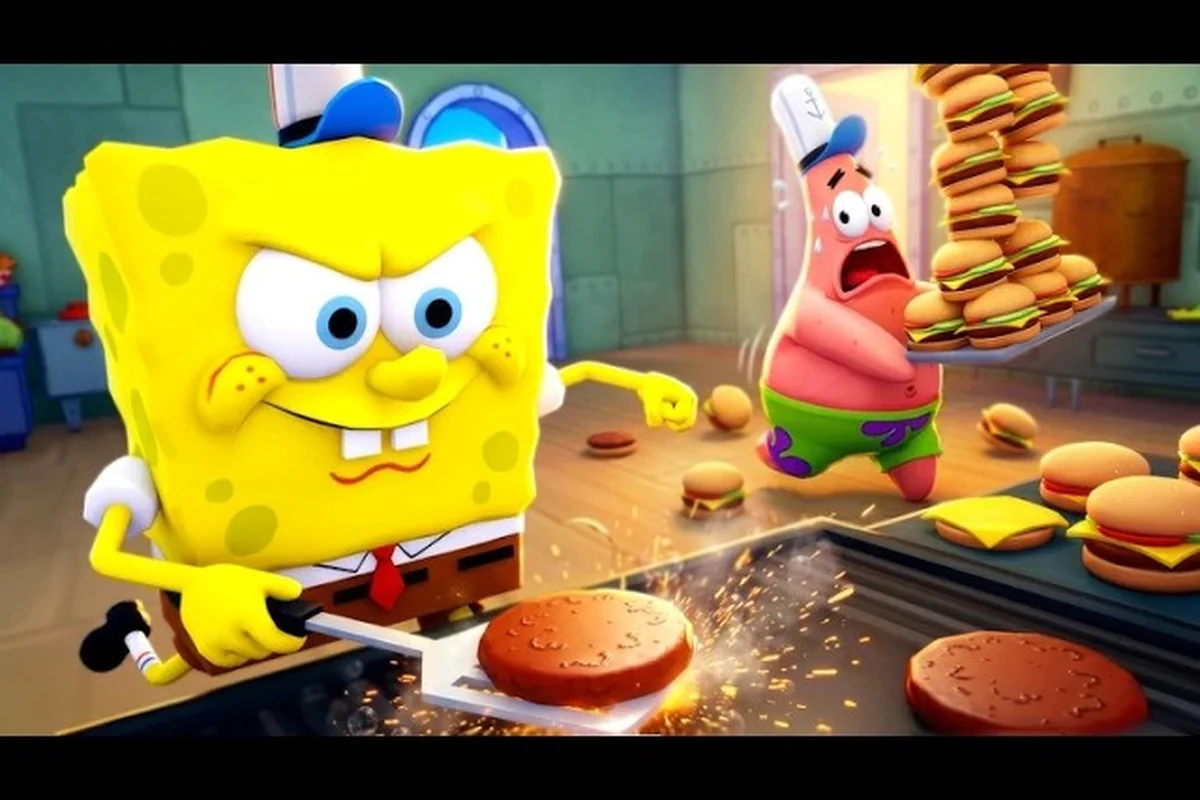
A smooth shift depends on the Save the Krusty Krab customer flow guide, because every order moves from the register to the grill, assembly counter, drink station, dining room, and cleanup. Learn the rotation, spot bottlenecks early, and keep every customer moving.
Customer Flow at a Glance
The Save the Krusty Krab customer flow guide starts with one simple rule: the order sheet tells you where each meal is next. Taking the order only begins the process; the customer remains active until the correct tray reaches the matching table.
A dependable shift follows this sequence: read the order sheet, then keep each ticket moving through the register, grill, assembly counter, drink station, and dining room without losing its identity. The reason for this sequence is practical: the order sheet links the customer, meal components, and table, while a missed patty, topping, or drink becomes harder to correct once the tray leaves assembly. For example, if a burger ticket and a drink ticket appear together, prepare the fountain drink while the patty is grilling, but keep the components separate until they can be matched confidently. The station rotation table below shows where a failure occurs—order intake, cooking, assembly, drink preparation, delivery, or cleanup—so use each handoff to check the relevant component before moving on.
-
Clock in at the shift clock to begin work.
-
Read the scheduled customer count for the day.
-
Take orders at the register.
-
Start grilling patties while the ticket is active.
-
Assemble meals in ticket order.
-
Prepare drinks separately at the fountain or shake machine.
-
Deliver orders to the correct dining-room table.
-
Collect dirty trays, wipe tables, empty trash, and mop the floor.
-
Clock in again to begin the next shift.
Community field notes confirm this order of operations across multiple gameplay recordings, although exact customer counts, patience values, and burn thresholds can vary by version. Treat the scheduled customer count as the practical workload indicator, while avoiding unsupported claims about a fixed customer-growth formula.
| Shift stage | Primary station | What must be ready | Main failure risk |
|---|---|---|---|
| Order intake | Register | Complete order information | Incorrect or missing order |
| Cooking | Grill | Patty matched to the ticket | Burned or mismatched patty |
| Meal assembly | Assembly counter | Correct buns, patties, and toppings | Wrong item or missing component |
| Drink preparation | Fountain and shake machine | Correct drink for the order | Serving the wrong drink |
| Delivery | Dining room | Complete tray and matching table | Wrong table or incomplete tray |
| Cleanup | Tables, trash, and mop | Clear, clean dining room | Neglected mess and blocked paths |
This Save the Krusty Krab station rotation guide follows the same path players use in general early-shift play. A useful companion reference is the Save the Krusty Krab day guide, which helps you understand how scheduled shifts fit into broader progression.
Think in Orders, Not Stations
A station-first mindset creates unnecessary travel. An order-first mindset lets you judge what deserves attention at the moment you arrive at a station. If a drink is ready but the meal is still cooking, the drink can wait safely at its station while you address the grill.
This distinction matters because the register, grill, and assembly counter all serve different parts of the same order. The register captures what the customer wants, the grill produces one component, and assembly converts individual components into a finished meal. Delivery only becomes meaningful after the tray is complete.
| Work style | Likely result | Better decision rule |
|---|---|---|
| Finish everything at one station before moving | Idle time and uneven pacing | Prioritize whichever active order is closest to completion |
| Complete one order from start to finish | Fewer orders in progress | Batch compatible components when the rush grows |
| Follow the ticket order | Fewer mix-ups | Verify every drink and topping before delivery |
| Move based on timers | Panic-driven interruptions | Check the next required action for each open ticket |
The Register Station Starts Every Order
The Save the Krusty Krab register station guide centers on accurate order capture, not speed alone. A fast order entered incorrectly creates extra work at the grill and assembly counter, so confirm each requested item before moving away from the register.
At the register, read the customer’s order from the available choices and enter it in the requested sequence. Pay close attention to modifications, since a standard Krabby Patty and a customized order are not interchangeable. The ticket should become the source of truth for every downstream action.
Register Actions in Order
-
Read the full request before selecting any item.
-
Enter each component without skipping optional choices.
-
Confirm the order and create the ticket.
-
Check the first queued item at the grill.
-
Begin cooking immediately when the grill is free.
-
Return to the register only when another customer is ready to order.
The most important register habit is to avoid mentally completing an order from a previous customer. Mixed tickets are especially dangerous because each visible patty or drink can look identical until its modifiers are checked. Slow down for the final comparison when you take the order from the ticket and begin food preparation.
| Register check | Why it matters | Recovery method |
|---|---|---|
| Main item | Determines the patty type and base meal | Re-enter the ticket if the wrong meal was selected |
| Toppings | Changes what must be placed during assembly | Recheck the order before adding ingredients |
| Drink type | Determines which drink station task to perform | Match the cup or shake to the ticket |
| Special requests | Prevents a generic meal from being sent | Pause before delivery and compare with the order |
| Table assignment | Connects the order to the correct customer | Verify the table number in the dining room |
Prevent Register Backups
Do not let an unattended queue force you to skip accuracy checks. If several customers are waiting, process one complete order, then immediately move to the grill and assembly tasks created by that order. This prevents a large queue from becoming a larger pile of half-prepared meals.
The register also gives you an early view of workload. Multiple drinks and several customized foods mean a busier assembly phase, while orders that need little preparation can be cleared more quickly. Use that information to decide whether to make one drink now or batch several drinks while the grill works.
| Queue situation | Recommended response | Result |
|---|---|---|
| One customer waiting | Take the order, then start grilling | Orders begin moving immediately |
| Several identical orders | Confirm each ticket carefully before batching | Faster preparation without mix-ups |
| Many customized orders | Work from one ticket at a time | Lower risk of copying the wrong request |
| No new customer but open orders | Move to cooking and assembly | Active orders advance instead of stalling |
| Register crowded while grill is free | Start one patty, then return for the next order | Parallel progress without losing order accuracy |
Grill Timing and the Station Rotation
The Save the Krusty Krab grill station guide relies on active monitoring, because a patty cannot be ignored while you handle another customer. Community reports consistently describe watching the cook meter and removing the patty at the correct point, but the available data does not establish a universal burn threshold or exact cooking duration.
Treat the grill as an interrupt-driven station within the Save the Krusty Krab customer flow guide: keep the cook meter within view, assign one player to monitor it, and remove the patty as soon as it reaches the required state. If a register order arrives while the patty is cooking, prioritize checking the grill before serving, since an unattended patty can burn and disrupt the assembly station. In practice, this means pausing customer flow for a brief grill check rather than relying on a fixed timer, because the available data does not establish a universal cooking duration.
A Practical Grill Routine
-
Read the next active ticket before loading the grill.
-
Select the patty type demanded by that order.
-
Start cooking and watch the cook meter.
-
Remove the patty at the indicated point.
-
Check it against the order before moving it to assembly.
-
Return to the grill if another patty needs attention.
The critical decision is whether another patty can cook while you complete an assembly task. If the cook meter requires continuous attention, keep your travel short. If a nearby station can be handled without leaving the grill, you can complete that task before the patty is ready.
| Grill priority | Situation | Action |
|---|---|---|
| Highest | A patty is close to burning | Remove it immediately |
| High | A patty is ready and its ticket is active | Move it to assembly |
| High | The grill is empty and a ticket needs food | Start the required patty |
| Medium | A drink is ready but the grill needs attention | Leave the drink safely at its station |
| Low | A customer has not ordered yet | Return to the register |
Batch Without Losing Ticket Order
Batching works best when you are certain the next action is identical across several tickets. Place multiple patties only when the grill permits it and each cook can still be monitored. During mixed orders, cook one ticket at a time so a customized meal does not inherit the wrong patty.
A helpful verbal label is “next ticket, next patty.” It sounds simple, but it prevents the common error of grabbing a cooked patty by appearance rather than by order. If two patties look alike, verify the active ticket before assembly.
During a busy period, alternate among three small blocks so no station remains idle while each task stays small and observable. For example, a player can place a patty at the grill, assemble a completed order at the counter, then deliver a tray or clear the work surface before returning to the next ticket. This station rotation keeps ticket order intact, prevents cooked patties from being confused, and lets the grill, assembly area, and movement path work in sequence without one large task blocking the others.
-
Cook block: place and monitor the required patty.
-
Assembly block: combine the completed components with the drink.
-
Movement block: deliver a finished tray or clear a work surface.
This pattern keeps the grill station, assembly area, and movement path productive without letting one large task block the others. For example, after placing a patty on the grill, the cook can use the waiting interval to prepare a bun and drink for the same ticket, then switch to delivery or surface clearing only if the next active order does not require immediate grill attention. This keeps ticket order visible and prevents a ready patty from being mistaken for another order’s component.
Assembly Is the Handoff Point
The Save the Krusty Krab assembly station guide is where separate components become a customer’s complete meal. You should verify the main item, toppings, and drink together, because an order can be ruined even when each station performed its individual task correctly.
A stable order keeps the assembly station reliable: read the ticket, place the required components, add the correct drink, and inspect the finished tray against the order before delivery. For example, if the customer ordered a Krabby Patty with a medium drink, confirm the patty, bun, and fries are present, then check that the drink cup matches the selected size. If an item is missing or incorrect, fix it at the station rather than passing the problem to the customer flow.
The Assembly Checklist
-
Main item: Confirm the correct meal is on the tray.
-
Patties: Match the cooked patty to the requested type.
-
Toppings: Add only the toppings shown by the order.
-
Drink: Match the cup or shake to the drink entry.
-
Sauce or extra item: Check optional components before moving.
-
Tray cleanliness: Keep spills and stray food off the tray.
-
Table destination: Note the table before leaving the counter.
| Assembly status | Meaning | Next move |
|---|---|---|
| Meal complete, drink missing | Food is ready but the tray is incomplete | Prepare or retrieve the correct drink |
| Drink complete, food missing | The tray cannot be delivered | Finish the meal first |
| Both components ready | Order is ready for verification | Compare the full tray with the ticket |
| Components do not match | A likely preparation error occurred | Correct the tray before delivery |
| Full order confirmed | No assembly work remains | Deliver to the assigned table |
Use the Counter as a Staging Area
The assembly counter can hold orders that are nearly complete, but it should not become an uncontrolled queue. Keep only active orders there and maintain enough space to distinguish one ticket from another. This is especially important when several drinks look alike or several meals receive different toppings.
When the dining room is busy, a good delivery order is oldest complete order first. Older tickets are more likely to occupy customer patience, while completed but undelivered meals cool, spill, or become mixed up. Do not deliver a partial order simply to clear the counter; completion remains more important than speed.
Drinks, Delivery, and Cleanup
Drinks are prepared separately from food. The current station set includes the soda fountain and a kelp shake machine, which means one player may need to alternate between drink preparation and the dining room during a rush. Use the same verification system for drinks that you use for meals.
Drink Preparation
-
Read the drink requested on the ticket.
-
Choose the correct fountain or shake machine.
-
Prepare only that drink type.
-
Place it beside the matching meal.
-
Recheck it when the tray is assembled.
A drink can look complete while belonging to a different order, so place it near the correct ticket rather than in a generic holding area. If two shakes have the same appearance, finish one at a time and deliver or assemble it before starting the next.
The community-observed workflow is supported by general gameplay patterns in the community walkthrough video of a full shift on YouTube, where the shift begins at the clock, moves through order preparation, and ends with cleaning before the next shift. Exact timing should still be based on the in-game meter rather than a copied external schedule.
| Drink task | Station | Best practice | Common error |
|---|---|---|---|
| Fountain drink | Soda fountain | Match the ticket before dispensing | Pouring the wrong type |
| Kelp shake | Shake machine | Finish and move one before starting another | Mixing identical-looking shakes |
| Order handoff | Assembly counter | Place the drink beside its ticket | Losing the drink’s order identity |
| Delivery | Dining room | Carry the entire tray together | Delivering food without the drink |
Delivery Without Wrong-Table Errors
Before leaving the counter, confirm the order is complete and note the table number. At the table, verify the customer and table together. Once delivered, clear the order from your active mental list so you do not accidentally deliver it twice.
| Delivery sequence | Reason it helps |
|---|---|
| Verify tray contents | Prevents sending an incomplete meal |
| Note table number | Reduces wrong-table delivery risk |
| Confirm customer and table | Separates nearby table numbers from actual destinations |
| Deliver the whole tray | Keeps food and drink together |
| Clear the active order | Stops duplicate delivery |
Close the Dining Room Loop
Cleanup is not separate from customer flow; it is the final stage of the route. Collect dirty trays, wipe tables, empty trash, and mop according to the current objectives. Keeping the dining room clear creates more space for delivery and prevents customers from waiting behind a dirty route.
The Save the Krusty Krab delivery station guide expands on delivery, trash management, and fire-prevention tasks that often overlap with rush-hour service. Treat those tasks as a repeatable close-out loop rather than optional work after the final order.
A Reliable Shift Strategy for Rush Periods
The Save the Krusty Krab station rotation guide is most valuable when the customer count rises. Early shifts can often be handled one order at a time, but later rushes reward planning. The goal is not to complete random tasks; it is to keep the oldest actionable order moving without making errors.
Splitting Orders into Three Queues
Maintain three mental queues even if you do not pause the game to write them down: assign every customer as soon as they enter the flow, then move that customer forward as the register, grill, and assembly station complete their work. For example, after taking a Krabby Patty order, place it in the queue for grill preparation; once the patty is finished, shift it to assembly; and only route the completed tray to the dining room. This station-by-station handoff prevents one part of the order from being overlooked while another customer waits.
-
Waiting to order: Customers who still need to visit the register.
-
In preparation: Orders whose food or drinks are being made.
-
Ready to deliver: Fully completed trays that need routing.
Check the three queues at natural transition points: after registering an order, when removing a Krabby Patty from the grill, and when finishing a drink. For example, if a patty is ready but a drink still needs pouring, keep that order in In preparation while completing the drink, then move the finished tray to Ready to deliver. This prevents an order from remaining “almost ready” while another task receives all of your attention, and it gives the assembly station a clear next action during rush conditions.
| Rush condition | Immediate adjustment | Result |
|---|---|---|
| Register is crowded | Take one order, start its patty, then take another | More orders begin processing |
| Grill has several tickets | Group only identical patty types | Faster cooking with less mix-up risk |
| Assembly counter is crowded | Complete one tray fully at a time | Fewer partial orders |
| Dining room is slow | Finish the current tray before leaving the counter | Cleaner handoffs |
| Cleanup piles up | Clear trash and trays between deliveries | Faster movement and fewer neglected areas |
Protect Accuracy Under Pressure
Accuracy is a speed multiplier because mistakes return an order to an earlier station. A wrong drink costs another drink task, while a wrong meal may require new food, cleanup, and delivery. Verify the most distinctive feature of each order: the patty type, an unusual topping, or the selected drink.
The Save the Krusty Krab customer types guide can help you recognize customers whose requests differ from standard orders. If a named customer has a special behavior, do not assume their order is ordinary; use the ticket as confirmation and keep the delivery route deliberate.
End-of-Shift Priorities
When no new customer is waiting but cleanup remains, work in a route that reduces the most obvious obstacles. Collect dirty trays while moving through the dining area, wipe tables before mopping, and empty trash as soon as it blocks a path. Completing the close-out also prevents the next shift from starting with a cluttered restaurant.
Community observations identify cleaning, trash removal, and mopping as part of the shift loop before clocking in again. Exact cleanliness requirements and shift-end timers are not published in the supplied data, so follow the on-screen objectives rather than assuming a universal number of cleaning actions.
Common Customer Flow Mistakes
Most slowdowns are not caused by a lack of speed. They come from working on the wrong order, creating incomplete trays, or moving without checking the ticket. Correcting those habits makes the station rotation more predictable and reduces the need to redo work.
| Common mistake | Why it hurts | Correction |
|---|---|---|
| Starting food without checking the ticket | The wrong patty may be prepared | Read the main item before cooking |
| Leaving a patty unattended | It can burn before you return | Watch the visible cook meter |
| Preparing several identical drinks at once | Shakes may become difficult to distinguish | Complete one at a time when they look alike |
| Delivering before assembly is complete | Customers receive an invalid order | Compare the full tray with the ticket |
| Assuming the table from memory | Delivery goes to the wrong customer | Check the table number at the counter |
| Cleaning only after a huge mess | Movement slows and tasks multiply | Clear obstacles between deliveries |
| Starting a new order while an older one stalls | Multiple tickets age unnecessarily | Keep one eye on waiting, preparing, and ready queues |
Repairing the Order After an Error
If you spot a mistake, stop before compounding it. Return the tray to the correct station, dispose of or correct the wrong component, and confirm the active ticket again. Trying to “patch” a meal at the dining-room table usually creates extra travel and distracts you from customers still waiting.
A fast recovery order keeps your station rotation and customer queue moving without leaving a second error behind: prioritize the oldest active ticket, mark the affected order clearly, and confirm its destination before touching the grill, assembly station, or register station. For example, if a burger has the wrong patty, reroute that ticket to the grill station, remake the component there, and return the tray to assembly for verification rather than delivering a patched order directly to the table. This minimizes extra trips through the customer flow guide and prevents the same mistake from being repeated when another order is waiting.
-
Identify the incorrect component.
-
Return to the station that produced it.
-
Replace or prepare the correct component.
-
Rebuild and verify the tray.
-
Deliver it to the assigned table.
Updating the active ticket in the Save the Krusty Krab customer flow guide is part of recovery, not an optional note. If a table ordered a medium patty but the grill station prepared a large one, flag that order and correct the grill component before assembly; otherwise, the grill station, assembly station, and register station may each treat the tray as valid, causing a repeat remake or duplicate delivery. Clear the affected status, resolve it once, and then resume the normal station rotation and customer queue.
Frequently Asked Questions
What is the fastest way to manage customers during a rush?
Move one order forward at a time instead of leaving several orders half-finished. Start the required patty, complete the meal and drink, deliver it, and then return for the next ticket. Batch only tasks that are clearly identical, such as the same patty type, because mixed orders increase mix-up risk.
Should drinks be prepared before or after food?
Neither order is always correct, so use the active ticket to decide. Prepare a drink when it is the only unfinished item on a tray, or batch identical fountain drinks during a short lull. If the grill needs monitoring, finish the food first and leave the drink safely at its station.
How do I keep the grill from burning food while serving other customers?
Stay near the grill when a patty is cooking and watch its visible cook meter. If the meter needs constant attention, avoid starting distant tasks. When the patty is ready, remove it immediately and confirm that it matches the next ticket before moving to assembly.
When the assembly counter gets crowded, keep every order aligned with its ticket and use a small staging area to separate incomplete meals from finished trays. For example, if several Krabby Pattys are ready but drinks or fries are still missing, hold the patties at the grill until the remaining components are prepared. This prevents identical orders from becoming mixed up and lets you deliver a complete tray without repeatedly searching the assembly station.
Complete one tray from start to finish and move it to delivery before beginning another. Keep partially prepared orders beside their tickets so you can identify which components are missing. If identical meals are waiting, you may stage them together, but verify drinks and toppings before handing one over.
Use a quick final pass over each station before leaving: clear the register queue, scrape and wipe the grill, sanitize the assembly counter, and restock serving supplies. For example, after the last order, empty the grill and trash bins, wipe the prep surfaces, and reset the assembly station so the next shift starts clean. Missing a station check can leave clutter that slows ticket handling or causes the next crew to repeat work.
Continue the final dining-room route after order service ends: collect dirty trays, wipe tables, empty trash, and mop where required. Clean while traversing the room so one pass handles several chores. Before starting the next shift, compare the room with the on-screen objectives because exact requirements can change with the current version.