In Save the Krusty Krab, cash and Doubloons support different upgrade paths, so treating them as interchangeable can leave a purchase inefficient. Cash is best reserved for permanent conveniences such as facility upgrades, while Doubloons are intended for character class unlocks and cosmetic skins. For example, if a class unlock costs Doubloons but a skin is merely cosmetic, buying the class first generally creates more gameplay value than spending those Doubloons on appearance items. Check the listed class unlock cost and skin cost before confirming a purchase, and keep enough Doubloons available for the next class you want.
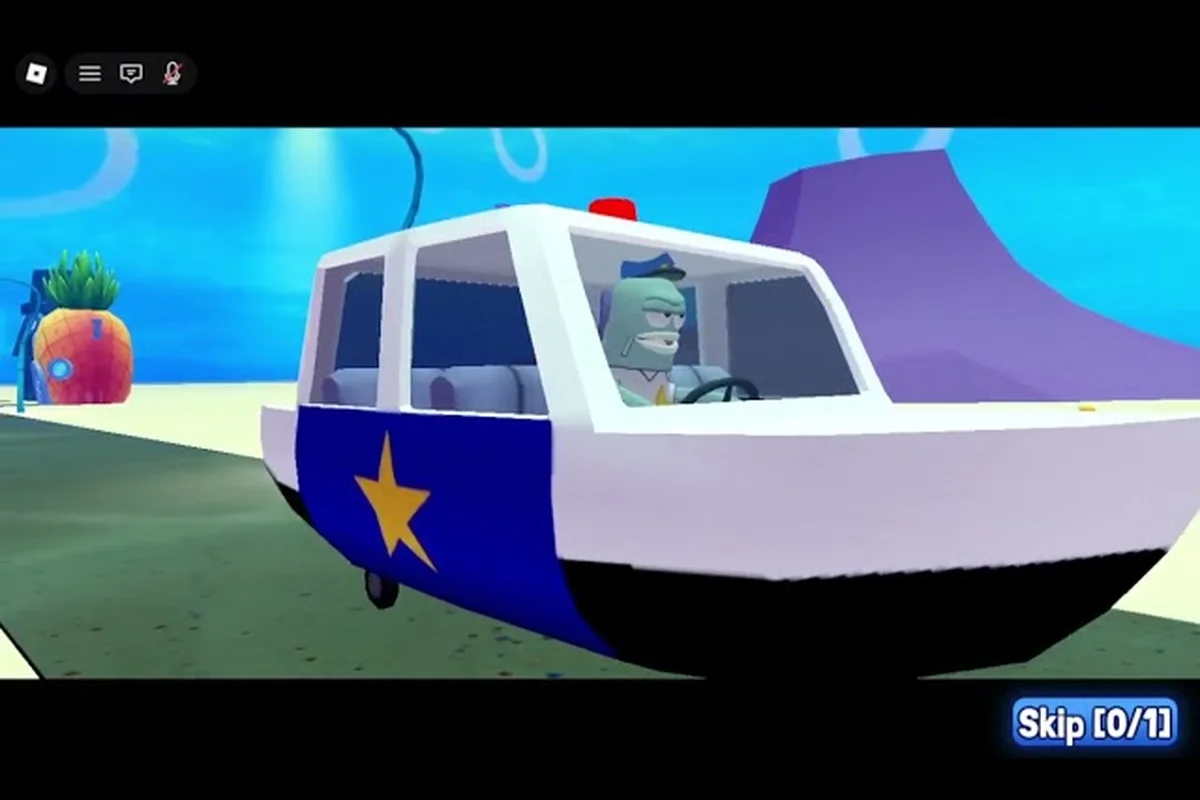
According to the Save the Krusty Krab currency explained video, the currency is earned by completing restaurant-related activities.
Two Currencies, One Important Difference
The economy in Save the Krusty Krab uses two separate resources, and confusing them is the most common early purchasing mistake. Cash comes from serving customers and is intended for permanent conveniences, while doubloons come from handling orders and completing the task list, then unlock classes, skins, and other progression items.
That distinction matters because a large cash balance does not automatically make a class or cosmetic affordable. Players must plan two separate budgets rather than expecting one universal currency to cover every purchase. This split-budget system rewards players who finish tasks consistently but also spend time thinking before they enter the shop.
| Currency | Main source | Typical use | Mistake to avoid |
|---|---|---|---|
| Cash | Serving customers | Permanent night-shop conveniences | Spending it on an unrelated item |
| Doubloons | Handling orders and completing tasks | Classes, skins, and related progression | Assuming customer cash can fund a doubloon purchase |
| Mixed funds | Earnings accumulated in both balances | Comparing total wealth | Comparing balances without checking the required currency |
Community field notes support this basic separation, but they do not provide a reliable universal formula for every reward. According to community observations, players who maintain labeled balances for cash and doubloons tend to make fewer rushed purchases. A simple spreadsheet, note, or even two separate inventory checkpoints can prevent the most expensive error: spending the wrong resource.
Why Two Balances Create Better Decisions
Tracking two currencies makes every purchase more deliberate. Before opening a shop, ask whether the item improves daily cash production, customer handling, progression access, or appearance. An item that saves a little time can be worthwhile even if it does not increase income directly, while a cosmetic bought only because it is visible may not be the strongest financial choice.
The same reasoning applies to class selection. A class that changes how you approach service may unlock a more efficient routine, so the effective return includes both the purchase price and the quality of the shift that follows. The Save the Krusty Krab money guide explains practical income routines, which can help you decide whether a purchase fits your current stage.
Cash and Doubloons: Sources, Purposes, and Daily Routine
Cash and doubloons are connected by the workday, but they are not interchangeable. Customer service generates the normal operating income, while order handling and task completion contribute doubloons. That makes customer performance and task management two related parts of a stronger shift rather than competing activities.
The income split should shape your priorities. If a day feels slow, complete the visible task list and serve customers without unnecessary mistakes instead of chasing one resource exclusively. If you already have enough doubloons for a planned class, redirect attention toward cash-funded conveniences that can support your routine.
| Goal | Prioritize | Why it helps | Budget decision |
|---|---|---|---|
| Build doubloons | Order handling and task completion | Supports planned class or skin purchases | Delay cosmetics until the target class is secured |
| Build cash | Customer service | Funds permanent night-shop improvements | Avoid treating cash as a class fund |
| Save for a class | Consistent order and task performance | Prevents a rushed mid-shift purchase | Use the class unlock priority guide to choose a target |
| Improve a weak skill | Appropriate convenience purchases | Can make service steadier over time | Compare price with the inconvenience it removes |
Exact income rates, energy caps, customer timers, and mistake thresholds are not consistently published, so this guide does not present invented values. Players report that regular task completion is generally more dependable than trying to force a specific doubloon total. Treat any precise earning estimate as a community observation that may change with updates or platform balance.
A Three-Part Shift Plan
Use a three-part routine to make income predictable. First, secure the tasks that are already available, because completing them can prevent idle time later. Second, maintain customer service and avoid avoidable mistakes. Third, review the shop only after the active shift, when the balances reflect what you actually earned.
-
Task phase: Finish available objectives and record any useful order rewards.
-
Service phase: Work through customer orders while keeping enough attention for patience and accuracy.
-
Purchase phase: Compare price, currency, and practical value before confirming an item.
This routine matters because decisions made during a rushed service period often lead to impulse purchases. The Save the Krusty Krab no mistake bonus guide can help you understand how clean service and mistake-free shifts affect your overall earnings.
Doubloon Spending Guide: Classes Before Cosmetics
A strong Save the Krusty Krab doubloon spending plan puts progression purchases before appearance purchases. Classes can change your available tools, efficiency, or role, while skins primarily change the visual presentation. That does not make skins poor purchases, but it makes them easier to postpone when a class is close to being unlocked.
The class-first rule is a budgeting principle, not a claim that every player must own a specific class. Some players may already have a preferred role, while others value cosmetics enough to buy one early. The useful question is whether the planned purchase improves the next several hours of play enough to justify using the same doubloons for something else.
| Purchase type | Long-term value | Timing advice | Best budget condition |
|---|---|---|---|
| Class unlock | Changes the active play experience | Buy when your target class is chosen | Enough doubloons after normal spending |
| Skin | Adds visual variety | Save for a favorite or limited opportunity | Comfortable balance remains after unlock |
| Small convenience | Supports a recurring task | Buy when it removes repeated friction | Its benefit appears in normal play |
| Premium cosmetic | Enjoyment without mechanical change | Buy only when cosmetics are your priority | No pending class or convenience upgrade |
This comparison makes the Save the Krusty Krab best doubloon purchase a personal decision rather than a universal answer. For progression-focused players, a class usually comes first. For a player who has already secured a useful class, a skin can be the stronger reward for the same budget.
Choosing a Class Before You Buy
Do not purchase a class solely because its price fits your current balance. A cheaper option can still be wrong if its role duplicates what you already enjoy, while a higher-priced class may fit your normal routine and be worth the delay.
Before opening the purchase screen, check the class’s doubloon price, your current balance, and whether the unlock improves a role you already use often. For example, if you already handle orders reliably, compare the upgrade against a role that adds customer-service tasks instead of merely increasing speed. This prevents spending Doubloons on a duplicate class when saving for a new role—or buying a skin—would be more valuable.
-
Identify the job you perform most often during a shift.
-
Decide whether you want faster handling, better customer service, or a different role.
-
Check the required currency and remaining balance.
-
Confirm that the class matches your preferred solo or squad style.
-
Delay a skin only when it would prevent the class purchase.
For detailed role comparisons, the Save the Krusty Krab class unlock priority guide provides a useful framework for narrowing the field before spending. Compare each candidate by its Doubloon cost, permanent role coverage, and impact on the jobs you already perform during a shift, such as taking orders, frying Krabby Patties, or serving customers. For example, a class that improves order handling may be a better purchase than a similar-priced cosmetic upgrade when your bottleneck is throughput; use the priority rankings to identify that difference before committing your remaining Doubloons.
Save or Spend Doubloons: A Decision Checklist
Whether to save or spend doubloons depends on what sits ahead in your progression path. Saving is strongest when a specific class is nearly within reach, a premium event may appear, or you want a broad safety margin for mistakes in the economy. Spending is stronger when an item removes a recurring problem or matches a clear long-term preference.
The 72-hour rule offers a practical filter: do not buy a nonessential item merely because it is affordable today. Check whether you still want it after at least two ordinary play sessions. If the answer changes from yes to maybe, keep the doubloons and revisit later.
| Situation | Save | Spend | Reason |
|---|---|---|---|
| A desired class is close | Keep the balance reserved | — | Delays could become habit |
| A convenience fixes a daily annoyance | — | Buy it | Recurring friction lowers satisfaction |
| A skin is merely attractive | Keep funds | — | Cosmetic value is easier to defer |
| The next upgrade is unclear | Maintain a reserve | — | Extra options provide flexibility |
| You already finished your class plan | — | Choose a favorite skin | Progress goal is complete |
Do not confuse a rare appearance with a mechanical need. Skins can provide genuine enjoyment, but they do not replace a class that changes the routine. This distinction keeps the Save the Krusty Krab save or spend doubloons decision tied to your actual goal instead of the size of the reward graphic.
Avoid These Common Budget Mistakes
The most damaging mistake is mixing balances. Check the currency symbol at the purchase screen before confirming, especially when you are carrying large totals of both resources. Another common error is buying several minor conveniences whose combined cost would have covered one planned class.
Impulse buying is also risky because visible shop items can pull attention away from the task list. A good workaround is to wait until the end of a shift, write down the intended purchase, and then reopen the shop. If the item no longer appears worthwhile, keep the funds.
Finally, avoid trying to calculate a guaranteed return on investment from unofficial minute-by-minute formulas. Exact customer growth curves, energy limits, patience timers, and mistake penalties remain unverified across community sources. The safer approach uses observed play patterns: consistent service, completed tasks, and a protected doubloon reserve.
Class Unlock Cost and Skin Cost Guide
A reliable class unlock cost and skin cost guide must separate confirmed currency types from unverified prices. The current verified information supports the purpose of each currency, but community field notes do not supply a dependable price list for every class and skin. Exact displayed prices can also change, so check the live shop before committing a balance.
| Item type | Required resource | Confirmed purpose | Price handling |
|---|---|---|---|
| Class unlock | Doubloons | Changes the playable class or role | Read the live price and compare it with your current balance |
| Skin | Doubloons | Changes a character’s appearance | Compare cost with the amount reserved for progression |
| Night-shop convenience | Cash | Improves permanent work routines | Check whether the convenience affects the task you perform often |
| Status effect | Neither | Does not consume either currency | Prioritize after considering available upgrades |
The skin cost guide should therefore be treated as a budgeting framework rather than a static catalog. If a skin costs several times what you had planned to reserve for a class, the sensible move is to wait. If you have already completed the class plan and can afford both, the skin becomes a valid reward for consistent task work.
The same framework applies to class costs. A class unlock that fits a clear role can be the most meaningful doubloon purchase, even if its exact price is not documented in a stable public list. Confirm the price in the current build, make sure the required balance is doubloons, and avoid buying a duplicate or an unwanted variant by accident.
Verify the Shop Before Buying
Open the shop during a safe moment in your session and inspect the complete purchase panel. Check the required currency, current balance, item description, and whether the purchase is a one-time unlock. This simple verification catches mistakes caused by quick taps, visual clutter, or assumptions carried over from another item.
If the developer or game page changes displayed costs later, the live interface remains more relevant than an older guide. Use historical articles to understand purchase priority, but use the current shop for the exact transaction. That distinction prevents a planning guide from becoming a misleading price sheet.
A Weekly Budget That Can Handle Change
A weekly budget turns the economy into a repeatable system. Start by recording your cash and doubloon balances, subtract planned essentials, and place a portion of future doubloons into a class reserve. Do the same with cash for night-shop conveniences that remove recurring work friction.
The balanced three-account method can be as simple as three notes: Available, Reserved, and Spent. Available funds may be used now, Reserved funds are protected for a chosen goal, and Spent funds have already been committed. Update the categories after every purchase so future decisions begin with an accurate picture.
| Budget category | Cash | Doubloons | Review point |
|---|---|---|---|
| Available | Current spendable balance | Current spendable balance | After every shift |
| Reserved | Planned convenience funds | Planned class funds | Before shopping |
| Spent | Items already purchased | Items already purchased | Immediately after checkout |
| Future income | Do not pre-spend it | Do not pre-spend it | Add after collection |
Community experience suggests that a short weekly review is more useful than constant shopping. Players can compare the class they now own with the class they originally planned, assess which convenience actually helped, and decide whether their next priority has changed. The Save the Krusty Krab manager class guide can help evaluate whether a newly accessible class fits your preferred management style.
When to Change Your Purchase Priority
Change priorities when your play style changes, not merely because a shop item appears attractive. A new role may make an old convenience less relevant. A class that feels inefficient may deserve another class as the target. If you consistently struggle with one part of the shift, a convenience that improves that specific task may offer more value than a cosmetic.
The priority reset should happen at natural milestones: after unlocking a class, after reaching a larger cash balance, or after your most common task changes. Avoid resetting every time you earn a small reward, because that can recreate the same impulse problem under a different name.
Keep at least one flexible doubloon reserve even after setting a class goal. It gives you room to respond to a better role, an unexpected price, or a task reward you had not planned for. The goal of a budget is not to eliminate every choice; it is to make the important choices intentional.
Practical Lessons From the Economy
The clearest lesson from Save the Krusty Krab currency explained resources is that currency identity matters as much as quantity. Cash supports the operating side of the restaurant, doubloons support progression purchases, and mixing the two creates confusion. A strong economy routine protects both balances while still allowing enjoyable spending.
A progression-first framework remains the safest general recommendation: finish tasks, serve customers accurately, reserve doubloons for a chosen class, and use cash for a convenience that removes recurring friction. Once that goal is complete, skins become a reasonable way to reward steady play rather than a distraction from essential upgrades.
Keep exact earnings and price claims labeled carefully. The available community data confirms how the currencies function, but it does not establish universal timers, percentages, or a fixed catalog. Check the live shop for current costs, and treat any unofficial estimate as a community observation. That disciplined approach makes purchases safer and keeps progress focused on what the player actually wants.
Frequently Asked Questions
What is the difference between cash and doubloons?
Cash is earned through customer service and is generally used for permanent night-shop conveniences. Doubloons come from handling orders and completing tasks, and they fund classes and skins. Keeping them in separate mental or written budgets prevents a player from mistakenly assuming a large cash total can pay for a doubloon purchase.
Should I save doubloons or buy a skin first?
Save them when a class is your current progression goal, especially if its unlock is within reach. Buy a skin first when your class plan is complete and the skin is a deliberate personal choice. The key is to compare the skin’s cost with the reserve you intended to protect, rather than relying on what is merely affordable at that moment.
Which purchase gives the best long-term value?
A class usually offers the strongest long-term progression value because it can change your role and routine. A night-shop convenience can also be highly valuable when it removes a problem you encounter every shift. Cosmetic skins provide enjoyment rather than mechanical power, so the strongest choice depends on whether your goal is progression, efficiency, or appearance.
Can cash buy classes or skins?
No. The verified currency distinction places classes and skins in the doubloon economy, while cash is reserved for night-shop conveniences. Always inspect the required currency on the purchase screen because this separation is the basis of effective budgeting. If you lack doubloons, you need to earn them through orders and task completion rather than using accumulated cash.
Should I buy every affordable item?
No, affordable does not automatically mean optimal. Grouping several small purchases can consume funds reserved for a class, and impulse spending often removes the ability to make a better choice later. Delay nonessential items, review the balance after a shift, and ask whether each purchase supports progression, recurring efficiency, or a genuine appearance goal.